Buy easycrm.eu ?
We are moving the project
easycrm.eu .
Are you interested in purchasing the domain
easycrm.eu ?
domain@kv-gmbh.de · 0541-91531010
Buy easycrm.eu ?
Can economic efficiency and productivity develop mutually?
Yes, economic efficiency and productivity can develop mutually. When businesses and industries become more efficient in their operations, they can produce more output with the same amount of input, leading to increased productivity. Similarly, when productivity increases, it can drive economic efficiency by reducing waste and improving resource allocation. Therefore, as businesses and industries focus on improving efficiency and productivity, they can reinforce and support each other's development. **
What is the difference between efficiency and productivity?
Efficiency refers to how well resources are utilized to achieve a specific goal or output, while productivity measures the output or results generated from a specific amount of input or resources. Efficiency focuses on minimizing waste and maximizing output with the resources available, while productivity is a measure of how much output is produced relative to the input used. In essence, efficiency is about doing things right, while productivity is about doing the right things. **


Similar search terms for Win
Top-Angebote
Products related to Win:
-
Who Would Win? Mega Collection (Pack of 22)"In this innovative science series from favorite nonfiction author Jerry Pallotta, readers will learn about dangerous creatures by asking ""Who would win?"" Each book is illustrated with full-color pictures and features a pair of animals that rarely,..."74,61 $*Shipping: 0,00 $Secure redirect to the provider
-
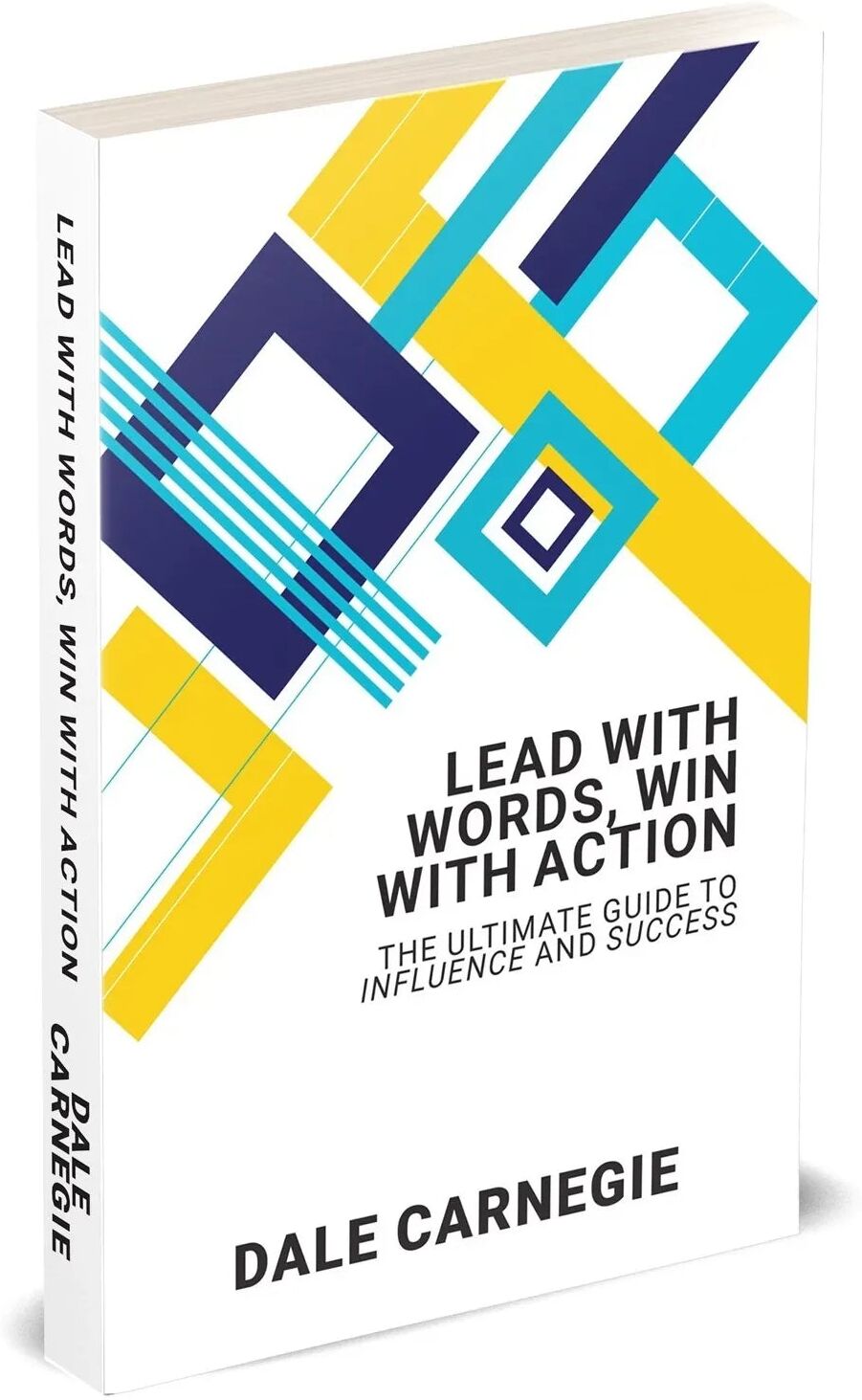
Rupa Publications Lead With Words, Win With Action by Dale Carnegie - Paperback Business & Leadership Self-Help Book - Practical Guide to Influence, CommunicationLead With Words, Win With Action by Dale Carnegie is a practical guide to communicating with confidence and leading with impact. This paperback book distils the enduring principles of Dale Carnegie's philosophy of influence into a modern guide for anyone who wants to build trust, motivate others, and convert conversation into real results. It blends timeless wisdom with actionable strategies for the modern workplace. The book explores how the right combination of language, listening, and follow-through can transform everyday interactions into lasting influence. Chapters cover practical topics such as how to open a conversation, disagree without creating an enemy, and more. Published by Rupa Publications, this book is a concise and energising read for anyone looking to improve their communication skills and leadership abilities.2,99 £*Shipping: 2,99 £Secure redirect to the provider
-
Who Would Win? Colossal Competitions 10-Book Box SetWhich dangerous animals would win in a fight? Find out in this amazing box set, which includes ten books in the bestselling Who Would Win? series, including Coyote vs. Dingo, Hammerhead vs. Bull Shark, Hornet vs. Wasp, Killer Whale vs. Great White...42,49 $*Shipping: 0,00 $Secure redirect to the provider
-
Who Would Win? Ferocious Fights (10 Book Box Set)Which ferocious animals would win in a fight? Find out in this incredible box set, which includes ten books in the bestselling Who Would Win? series, including Blue Whale vs. Mosquito, Lion vs. Tiger, Polar Bear vs. Grizzly Bear, Tarantula vs....44,99 $*Shipping: 0,00 $Secure redirect to the provider



-
What are the connections between efficiency and productivity?
Efficiency and productivity are closely connected in that efficiency refers to the ability to accomplish a task with minimal waste, effort, or cost, while productivity refers to the rate at which goods or services are produced. When a process or system is efficient, it can lead to increased productivity because it allows for more output to be generated with the same amount of input. Conversely, when productivity is high, it often indicates that the resources and processes are being used efficiently. Therefore, improving efficiency can lead to increased productivity, and vice versa, as they both contribute to the overall effectiveness of a business or organization. **
-
Does increasing productivity lead to higher economic efficiency?
Yes, increasing productivity can lead to higher economic efficiency. When a company or economy can produce more output with the same input of resources, it can lead to lower production costs and higher profits. This can also lead to lower prices for consumers, which can increase overall economic welfare. Additionally, higher productivity can lead to increased competitiveness in the global market, which can further contribute to economic efficiency. **
-
What is the difference between productivity, efficiency, and profitability?
Productivity refers to the amount of output produced per unit of input, such as time or resources. Efficiency, on the other hand, focuses on how well resources are used to achieve a specific goal or output. Profitability, meanwhile, is a measure of how efficiently a company generates profit relative to its costs and expenses. In essence, productivity is about output per input, efficiency is about resource utilization, and profitability is about the bottom line of a business. **
-
What is the relationship between productivity and economic efficiency?
Productivity and economic efficiency are closely related concepts. Productivity refers to the amount of output produced per unit of input, such as labor or capital. When productivity increases, more output is produced with the same amount of input, leading to greater economic efficiency. Economic efficiency, on the other hand, refers to the optimal allocation of resources to maximize output and minimize waste. Therefore, higher productivity often leads to greater economic efficiency as resources are used more effectively to produce goods and services. Conversely, lower productivity can lead to inefficiencies in resource allocation and reduced overall economic efficiency. **


How do profitability, productivity, and efficiency differ from each other?
Profitability refers to the ability of a company to generate profit, which is the difference between revenue and expenses. Productivity measures the output of goods or services produced per unit of input, such as labor or capital. Efficiency, on the other hand, focuses on how well resources are utilized to achieve a specific goal, often measured by the ratio of input to output. In summary, profitability is about generating profit, productivity is about output per input, and efficiency is about maximizing output with the resources available. **
What are examples of a win-win situation?
A win-win situation is when both parties involved benefit from the outcome. Examples include negotiating a deal where both parties feel satisfied with the terms, collaborating on a project where each person's strengths are utilized effectively, or finding a solution to a problem that meets the needs of all parties involved. In these situations, everyone feels like they have gained something positive, making it a win-win for all. **
Top-Angebote
Products related to Win:
-
Work Wisely, Win Big: Transforming Efforts Into Success by Peter Langston - Rupa Publications - New Paperback - Self-Help & ProductivityTransforming efforts into success is a goal many of us strive for. Work Wisely, Win Big by Peter Langston offers a practical guide to achieving this goal. The book challenges the conventional idea that success is a reward for grinding endlessly and instead argues that sustainable achievement comes from sharper decision-making, better prioritization, and playing to one's natural strengths. Written in an accessible style, this book is aimed at professionals, students, and anyone looking to get more done without burning out. It's a timely read for a world that increasingly values efficiency over exhaustion. Peter Langston lays out a framework for identifying which tasks genuinely move the needle and which are simply busywork. This book is a valuable resource for anyone seeking to work more effectively and achieve their goals.2,99 £*Shipping: 2,99 £Secure redirect to the provider
-
Who Would Win? 10 Book SetWhich dangerous animals would win in a fight? Find out in this amazing box set, which includes 10 books in the bestselling Who Would Win? series, including: Alligator vs. Python Green Ants vs. Army Ants Hyena vs. Honey Badger Triceratops vs....42,49 $*Shipping: 0,00 $Secure redirect to the provider
-
Who Would Win? Mega Collection (Pack of 22)"In this innovative science series from favorite nonfiction author Jerry Pallotta, readers will learn about dangerous creatures by asking ""Who would win?"" Each book is illustrated with full-color pictures and features a pair of animals that rarely,..."74,61 $*Shipping: 0,00 $Secure redirect to the provider
-
Rupa Publications Lead With Words, Win With Action by Dale Carnegie - Paperback Business & Leadership Self-Help Book - Practical Guide to Influence, CommunicationLead With Words, Win With Action by Dale Carnegie is a practical guide to communicating with confidence and leading with impact. This paperback book distils the enduring principles of Dale Carnegie's philosophy of influence into a modern guide for anyone who wants to build trust, motivate others, and convert conversation into real results. It blends timeless wisdom with actionable strategies for the modern workplace. The book explores how the right combination of language, listening, and follow-through can transform everyday interactions into lasting influence. Chapters cover practical topics such as how to open a conversation, disagree without creating an enemy, and more. Published by Rupa Publications, this book is a concise and energising read for anyone looking to improve their communication skills and leadership abilities.2,99 £*Shipping: 2,99 £Secure redirect to the provider
-
Can economic efficiency and productivity develop mutually?
Yes, economic efficiency and productivity can develop mutually. When businesses and industries become more efficient in their operations, they can produce more output with the same amount of input, leading to increased productivity. Similarly, when productivity increases, it can drive economic efficiency by reducing waste and improving resource allocation. Therefore, as businesses and industries focus on improving efficiency and productivity, they can reinforce and support each other's development. **
-
What is the difference between efficiency and productivity?
Efficiency refers to how well resources are utilized to achieve a specific goal or output, while productivity measures the output or results generated from a specific amount of input or resources. Efficiency focuses on minimizing waste and maximizing output with the resources available, while productivity is a measure of how much output is produced relative to the input used. In essence, efficiency is about doing things right, while productivity is about doing the right things. **
-
What are the connections between efficiency and productivity?
Efficiency and productivity are closely connected in that efficiency refers to the ability to accomplish a task with minimal waste, effort, or cost, while productivity refers to the rate at which goods or services are produced. When a process or system is efficient, it can lead to increased productivity because it allows for more output to be generated with the same amount of input. Conversely, when productivity is high, it often indicates that the resources and processes are being used efficiently. Therefore, improving efficiency can lead to increased productivity, and vice versa, as they both contribute to the overall effectiveness of a business or organization. **
-
Does increasing productivity lead to higher economic efficiency?
Yes, increasing productivity can lead to higher economic efficiency. When a company or economy can produce more output with the same input of resources, it can lead to lower production costs and higher profits. This can also lead to lower prices for consumers, which can increase overall economic welfare. Additionally, higher productivity can lead to increased competitiveness in the global market, which can further contribute to economic efficiency. **
Similar search terms for Win
-
Who Would Win? Colossal Competitions 10-Book Box SetWhich dangerous animals would win in a fight? Find out in this amazing box set, which includes ten books in the bestselling Who Would Win? series, including Coyote vs. Dingo, Hammerhead vs. Bull Shark, Hornet vs. Wasp, Killer Whale vs. Great White...42,49 $*Shipping: 0,00 $Secure redirect to the provider
-
Who Would Win? Ferocious Fights (10 Book Box Set)Which ferocious animals would win in a fight? Find out in this incredible box set, which includes ten books in the bestselling Who Would Win? series, including Blue Whale vs. Mosquito, Lion vs. Tiger, Polar Bear vs. Grizzly Bear, Tarantula vs....44,99 $*Shipping: 0,00 $Secure redirect to the provider
-
Wilco International LLP How to Win Friends and Influence People by Dale Carnegie – Bestselling Self Help Book on Communication Skills, Confidence & Personal DevelopmentHow to Win Friends and Influence People by Dale Carnegie Discover the timeless principles of effective communication, building relationships and achieving personal and professional success with How to Win Friends and Influence People by Dale Carnegie, one of the world's most influential self-help and personal development books. First published in 1936, this bestselling classic has helped generations of readers improve their social skills, build confidence, develop leadership abilities and create stronger relationships. Through practical advice, memorable real-life examples and easy-to-follow principles, Dale Carnegie explains how to connect with people, make a positive impression, handle disagreements and inspire cooperation without unnecessary conflict. Whether you want to become a better communicator, succeed in business, improve your leadership skills or develop more meaningful personal relationships, this inspirational book offers valuable lessons that remain relevant today. Perfect for entrepreneurs, managers, students, professionals and anyone interested in self-improvement, emotional intelligence and effective interpersonal communication. What You'll Learn from This Book Improve Your Communication Skills Learn practical techniques for engaging in conversations, listening effectively and making meaningful connections with others. Build Stronger Relationships Discover how to develop trust, show genuine interest in people and create lasting personal and professional relationships. Develop Confidence and Social Skills Explore ways to become more comfortable in social situations, improve interpersonal interactions and make a positive impression. Influence and Persuade Others Understand how to communicate ideas effectively, encourage cooperation and influence people through respect and understanding. Become a Better Leader Learn valuable leadership principles for motivating others, handling difficult conversations and encouraging positive change. Handle Criticism and Disagreements Discover techniques for managing conflict, avoiding unnecessary arguments and communicating with greater empathy. Key Selling Points Internationally bestselling self-help classic by Dale Carnegie. One of the most recognised books on communication, relationships and personal development. Offers practical guidance for improving social skills and interpersonal communication. Explores persuasion, leadership, confidence and emotional intelligence. Helps readers understand how to make friends and build meaningful relationships. Provides valuable techniques for professional networking and business communication. Includes memorable examples and practical principles that can be applied to everyday life. Ideal for entrepreneurs, business professionals, managers and students. An excellent gift for readers interested in personal growth, leadership and self-improvement. Transform the way you communicate, connect and build relationships with How to Win Friends and Influence People –...3,99 £*Shipping: 1,99 £Secure redirect to the provider
-
Wilco International LLP How to Win Friends and Influence People by Dale Carnegie Classic Self Help Book on Communication, Leadership, Confidence & Personal DevelopmentDiscover one of the world's best-known personal development books with How to Win Friends and Influence People by Dale Carnegie. First published in 1936, this enduring classic presents practical principles for communicating effectively, building positive relationships and working successfully with other people. Through memorable examples and straightforward advice, Carnegie explores how to make a positive impression, handle disagreements constructively, encourage cooperation and become a more effective communicator. The principles can be applied across everyday life, from personal relationships and social situations to business, management, sales, networking and leadership. Accessible and practical, How to Win Friends and Influence People remains popular with readers interested in improving their communication skills, confidence, interpersonal relationships and professional development. Key Features Classic personal development book by Dale Carnegie Practical principles for improving communication Explores relationships, leadership and interpersonal skills Useful for business, management, sales and networking Helps readers understand effective people skills Suitable for personal and professional development Excellent gift for entrepreneurs, managers and self-improvement readers9,99 £*Shipping: 2,99 £Secure redirect to the provider
-
What is the difference between productivity, efficiency, and profitability?
Productivity refers to the amount of output produced per unit of input, such as time or resources. Efficiency, on the other hand, focuses on how well resources are used to achieve a specific goal or output. Profitability, meanwhile, is a measure of how efficiently a company generates profit relative to its costs and expenses. In essence, productivity is about output per input, efficiency is about resource utilization, and profitability is about the bottom line of a business. **
-
What is the relationship between productivity and economic efficiency?
Productivity and economic efficiency are closely related concepts. Productivity refers to the amount of output produced per unit of input, such as labor or capital. When productivity increases, more output is produced with the same amount of input, leading to greater economic efficiency. Economic efficiency, on the other hand, refers to the optimal allocation of resources to maximize output and minimize waste. Therefore, higher productivity often leads to greater economic efficiency as resources are used more effectively to produce goods and services. Conversely, lower productivity can lead to inefficiencies in resource allocation and reduced overall economic efficiency. **
-
How do profitability, productivity, and efficiency differ from each other?
Profitability refers to the ability of a company to generate profit, which is the difference between revenue and expenses. Productivity measures the output of goods or services produced per unit of input, such as labor or capital. Efficiency, on the other hand, focuses on how well resources are utilized to achieve a specific goal, often measured by the ratio of input to output. In summary, profitability is about generating profit, productivity is about output per input, and efficiency is about maximizing output with the resources available. **
-
What are examples of a win-win situation?
A win-win situation is when both parties involved benefit from the outcome. Examples include negotiating a deal where both parties feel satisfied with the terms, collaborating on a project where each person's strengths are utilized effectively, or finding a solution to a problem that meets the needs of all parties involved. In these situations, everyone feels like they have gained something positive, making it a win-win for all. **
* All prices are inclusive of VAT and, if applicable, plus shipping costs. The offer information is based on the details provided by the respective shop and is updated through automated processes. Real-time updates do not occur, so deviations can occur in individual cases. ** Note: Parts of this content were created by AI.